

My husband and I are buying our first house together. We’re in our mid-forties. We’ve rented together for ten years. And we’ve owned a vineyard in Argentina for three.
In my twenties, I would have considered this unhinged.
Back then, I had it all figured out. I was following The Code of Very Important Chronological Life Events with grace and precision:
I got a degree from a prestigious East Coast college. Check.
I got a job in advertising on Madison Avenue. Check.
I got promoted. Check.
I got engaged after a year of dating. Check.
I got promoted again. Check.
I got married. In a castle. Check.
I was on track to being Very Successful and Important. Then, I took a detour. I quit my well-paid Madison Avenue ad agency job to become a full-time yoga teacher in Denver, certain I had discovered my true self. I glowed in my rebellion against the traditional path. I was raging against the machine! I was bohemian! I was vegan!
But beneath the surface, the yoga mat, and the vegan tofu scramble, The Code of Very Important Chronological Life Events marched on:
I bought a house.
I had a baby.
I bought a bigger house.
And then, less than two years later, I checked another item off of the list:
I got a divorce.
Check.
Suddenly, The Code was scrambled. Selling the house and my belongings while caring for my baby, I faced an uncomfortable possibility.
Perhaps I didn’t have it all figured out after all.
For as long as I can remember, I’ve climbed. In middle school, I was thinking about college, touring schools during Spring Breaks and family trips. During an Amherst college tour, the admissions host asked prospective students to raise their hand according to their current grade level. I was the only eighth grader in the room. In high school, I pored over new releases of the U.S. News and World Report Top Colleges, prioritizing my college applications first on the school’s ranking, then on their fit for my interests. My first husband and I started dating while he was in law school. I was certain that we needed to get married in the month-long break between his semesters, which obviously meant he needed to propose at least eleven months ahead so we had sufficient time to plan. The night before our wedding, I remember lying awake at the tingle of a question in the back of my mind. Was this all happening the way it ought to? Was I moving too fast? I closed my eyes and went to bed. I had a wedding to get to tomorrow.
In all of the striving, I left little room to pause. To question. To ruminate.
My divorce exposed the price of my clipped, tidy trajectory. I wasn’t ahead of my peers anymore. I was behind. With baggage. I celebrated my two best friends’ weddings while finalizing my divorce. I watched friends start and grow their families while staying up alone at night with my only child. I saw friends graduate from doctorate programs while I hunkered down in a toxic job that paid the bills. I watched colleagues getting promoted as I was getting fired.
When my husband and I started dating, we had each veered off the typical path. In the rearview mirror, we each carried a divorce, a child, and a wake of financial decisions born of stress and desperation. In initial efforts to impress each other, we coolly professed we were electing a different course, all the wiser from our experiences. After his teenage son graduated, he was going to defect to Nicaragua and open a beach bar. I was… well, I was going to raise a three-year-old and “keep kicking ass” at my job… you know, the one I was barely surviving. We told ourselves, and each other, we were choosing something bold and brave. In reality, we were threadbare and short on options.
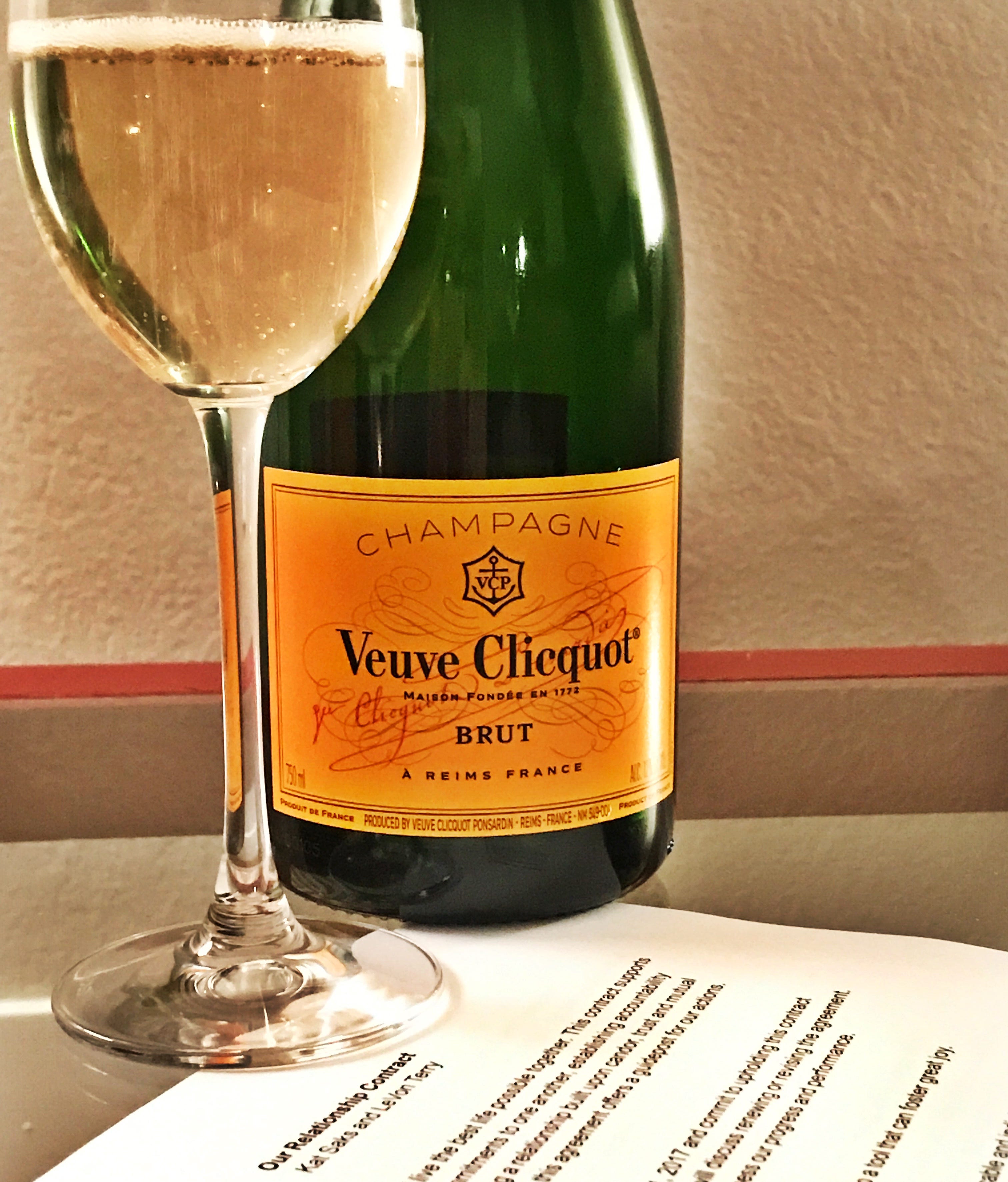
Having launched, skyrocketed and fumbled The Code of Very Important Chronological Life Events, we started making it up as we went along. We co-authored a relationship contract. After drafting it in Word, we printed it out and cracked open a bottle of champagne to celebrate our commitment. Who needs marriage? Been there, done that, have the scars to prove it.
On schedule, friends asked when we were going to have kids. We considered it. We wrote out a two-by-two matrix: Have Kids, Don’t Have Kids: Pros and Cons. It didn’t reveal a clear answer. We decided to write a different kind of familial story, one that prioritized our two children and room for ourselves. We drafted an estate plan, legally bonding our family in life and legacy. Never mind that we barely had two pennies to rub together.
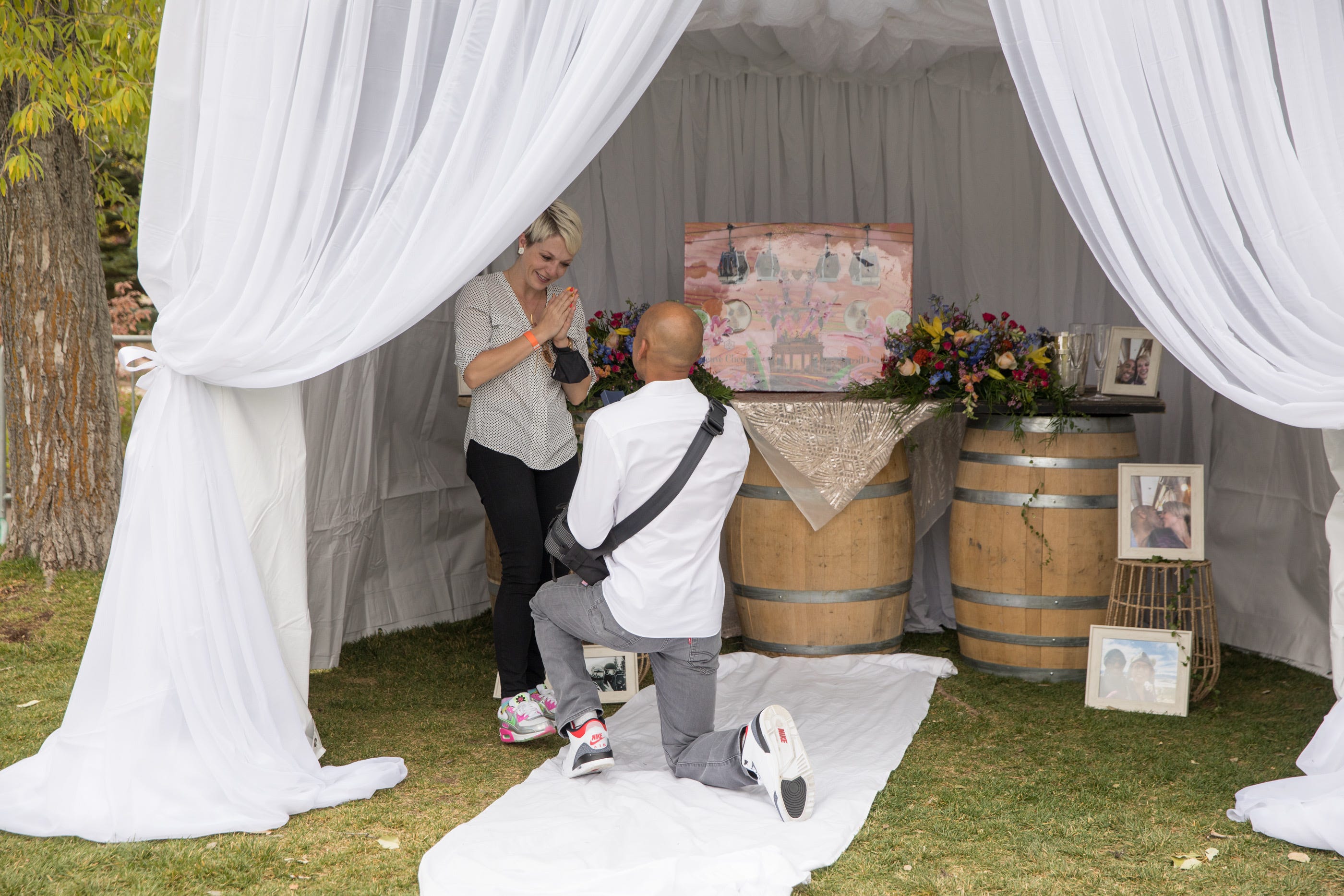
Years later during the pandemic, we were on a casual stroll through the park. We wondered aloud, “Well, we’ve survived the zombie apocalypse together. Why not get married?” By the end of the walk we had picked a date and booked a venue.
“Just propose to me in enough time so that we can invite people,” I told him. He agreed.
None of it—the family, the vineyard, the marriage, the house—would exist if we insisted on the proper order of things.
It doesn’t mean I’m inoculated against The Code of Very Important Chronological Life Events. I still take inventory. My career. My belongings. My travels. My 401k. Are they enough? Am I on track? What comes next?
But no life is tidy. And we wildly overestimate our control over it.
You can do everything right. You can get into the right college. Get the right job. Get married. Get the house. Have the baby. Get the promotion. You can execute perfectly. And it still might not matter.
Because life just doesn’t work like that. We’re much smaller than we think. As we all do, I just keep cycling through the realization of my smallness— the embarrassment, the shame, the grace, the acceptance, and all the way back again.
Agency. Surrender. Repeat.